

Indian Economy: An Integral Part of Global Development
India's growing economic influence is reshaping global development. Explore the key drivers of India's growth, its expanding role in international trade and investment, emerging business opportunities and the challenges shaping its economic future.
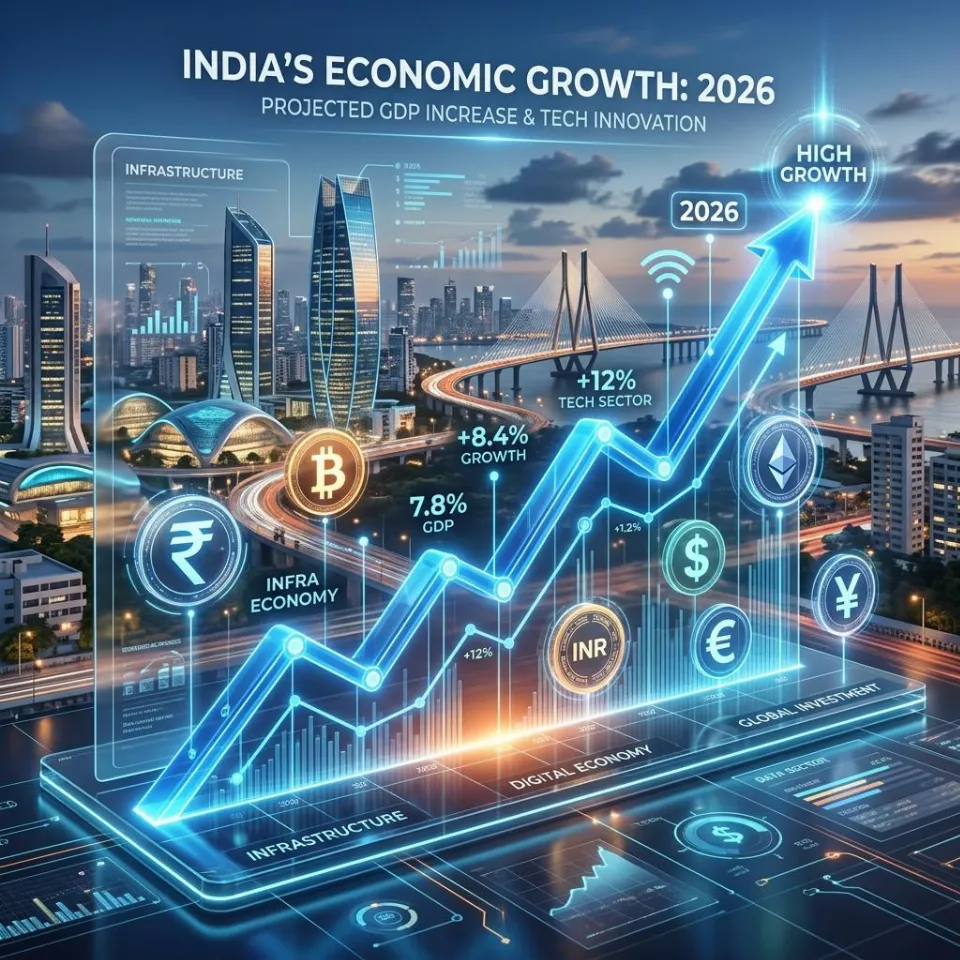
India has emerged as one of the most significant contributors to global economic development. Its growing economic strength, expanding industrial capabilities, digital transformation, infrastructure development and increasing integration with international markets are reshaping its position in the global economy.
The Indian growth story is no longer confined to domestic economic expansion. It increasingly influences global trade, investment flows, technology, manufacturing, financial services and international business opportunities.
As the world economy undergoes structural changes, India is positioning itself as an important growth partner, investment destination and contributor to global economic stability.
1. India's Growing Position in the Global Economy
India's economic performance has attracted international attention because of its relatively strong growth momentum and expanding economic base.
According to the Ministry of Statistics and Programme Implementation (MoSPI), India's real GDP registered growth of 7.8% in the first quarter of FY 2026–27, while nominal GDP grew by 10.3%.
The International Monetary Fund's October 2026 World Economic Outlook projected India's growth at 7.0% for 2026 and 7.0% for 2027, on a financial-year basis.
These indicators reflect India's growing economic significance, supported by domestic consumption, investment activity, manufacturing and services.
2. Major Drivers of India's Economic Growth
A. Manufacturing and Industrial Development
Manufacturing is an important pillar of India's long-term economic strategy. Initiatives supporting domestic production, industrial infrastructure, investment and export competitiveness are creating opportunities across sectors.
Automobiles, electronics, pharmaceuticals, chemicals, engineering goods, textiles and defence manufacturing are among the important areas contributing to industrial development.
India's ambition to become a globally competitive manufacturing destination also creates opportunities for international companies seeking diversified production and supply-chain networks.
B. Digital Transformation and Technology
India's digital ecosystem has become an important contributor to economic development.
Digital public infrastructure, UPI, fintech platforms, cloud computing, artificial intelligence and technology-enabled business services are transforming financial transactions, governance and commercial operations.
The expansion of digital services is improving accessibility, supporting entrepreneurship and creating opportunities for businesses of different sizes.
C. Infrastructure and Capital Investment
Infrastructure development is essential for improving productivity and economic competitiveness.
Investment in highways, railways, airports, ports, logistics parks, renewable energy and urban infrastructure is strengthening connectivity and supporting industrial expansion.
Improved infrastructure also helps reduce logistics costs, facilitate trade and encourage private-sector investment.
D. Services Sector and Knowledge Economy
India's services sector continues to play a major role in economic development and international trade.
Information technology, financial services, consulting, healthcare, education, professional services and business process management have strengthened India's position as a global services provider.
The growing demand for skilled professionals and technology-based solutions offers further opportunities for Indian businesses in international markets.
E. Entrepreneurship and Start-up Ecosystem
Entrepreneurship and innovation are important contributors to India's economic transformation.
Start-ups and emerging businesses are creating new products, services, employment opportunities and investment avenues.
A stronger entrepreneurial ecosystem can support innovation, improve productivity and contribute to the development of new industries.
3. India's Increasing Integration with Global Trade
International trade is an important indicator of India's growing global economic presence.
According to the Economic Survey 2025–26, India's share of global merchandise exports increased from 1% in 2005 to 1.8% in 2024. Its share of global commercial services exports increased from 2% to 4.3% over the same period.
India's expanding trade relationships, services exports and participation in global value chains demonstrate its increasing integration with the international economy.
Trade agreements, improved logistics, export-oriented manufacturing and diversification of trading partners can further strengthen India's global competitiveness.
4. India's Contribution to Global Development
India's role in global development extends beyond the size and growth of its domestic economy.
Global manufacturing: India can contribute to diversified manufacturing and supply-chain resilience.
Digital innovation: Indian technology and digital payment solutions offer scalable models for other economies.
Human capital: India's skilled workforce supports international businesses across technology, finance, consulting and professional services.
Renewable energy: Investments in solar, wind and other clean-energy solutions contribute to the global energy transition.
International investment: India's expanding market creates opportunities for foreign investors, multinational corporations and domestic enterprises.
Financial inclusion: Digital financial services and technology-enabled banking are helping expand access to formal financial systems.
5. Emerging Opportunities for Indian Businesses
India's integration with the global economy presents opportunities for companies across several industries.
Manufacturing and exports: Expansion into international markets and participation in global supply chains.
Technology and IT services: Development of digital products, software and technology-based business solutions.
Infrastructure and construction: Opportunities arising from industrial, transport and urban infrastructure development.
Renewable energy: Investment in clean energy, energy efficiency and sustainable infrastructure.
Financial services: Growth in fintech, investment advisory, financial planning and wealth management.
Healthcare and pharmaceuticals: Expansion of healthcare services, pharmaceutical manufacturing and medical technology.
Logistics and supply chains: Development of warehousing, transportation and integrated logistics solutions.
For businesses, the opportunity lies not only in participating in India's domestic growth but also in becoming competitive participants in international markets.
6. Challenges Facing the Indian Economy
Despite its growth potential, India must address several structural and external challenges to sustain long-term development.
Employment generation: Creating quality employment opportunities for a growing workforce.
Skill development: Aligning education and vocational training with changing industry requirements.
Income inequality: Ensuring that economic progress translates into inclusive development.
Global uncertainty: Managing geopolitical risks, trade disruptions and international financial volatility.
Energy security: Reducing vulnerability to imported energy and commodity price fluctuations.
MSME competitiveness: Improving access to finance, technology and international markets.
Environmental sustainability: Balancing industrial expansion with climate commitments and responsible resource utilisation.
Addressing these challenges will be critical to converting economic growth into sustainable and inclusive prosperity.
7. The Role of Financial Discipline and Corporate Governance
As Indian businesses expand and become increasingly integrated with global markets, the importance of sound financial management and corporate governance also increases.
Businesses must focus on:
Effective financial planning and cash-flow management.
Robust internal financial controls and risk management.
Accurate financial reporting and statutory compliance.
Efficient tax planning and regulatory management.
Strong corporate governance and transparency.
Strategic investment and capital allocation.
Technology adoption and operational efficiency.
Professional financial and business advisory can help organisations identify risks, improve financial performance and make informed strategic decisions.
8. The Road Ahead: India's Role in the Next Phase of Global Growth
India's long-term economic potential will depend on its ability to strengthen domestic capabilities while deepening its engagement with the global economy.
Continued investment in infrastructure, manufacturing, innovation, education, digital technology and sustainable development can help India strengthen its competitive position.
The next phase of growth should focus not only on increasing economic output but also on improving productivity, generating employment, encouraging innovation and ensuring that the benefits of development reach a wider section of society.
Conclusion
India's economic journey represents an important part of the transformation taking place in the global economy.
Its expanding manufacturing base, growing services sector, digital capabilities, infrastructure investment and international trade integration are creating opportunities for businesses, investors and global economic partners.
India's contribution to global development will increasingly be measured by its ability to innovate, compete, collaborate and promote sustainable economic progress.
India's growth is not merely a domestic economic success story; it is an increasingly important part of global development.
About RPH & Associates
RPH & Associates, Chartered Accountants, provides professional services in audit and assurance, taxation, financial advisory, corporate compliance, business consulting and risk management.
We recognise the importance of sound financial management, regulatory compliance and strategic decision-making in helping businesses navigate an evolving economic environment.
RPH & ASSOCIATES
Chartered Accountants
Website: https://rphindia.com
Disclaimer: This article is intended for general informational and educational purposes. Economic indicators and forecasts are subject to revision and changing economic conditions. Readers should refer to the relevant official publications for the latest data.